 Sweepstakes are designed to feel simple and seamless for participants. Someone enters, submits their information, and waits for a chance to win. But behind that experience, a sweepstakes is a structured promotion that depends on clear entry mechanics, consistent rules, and compliant execution from the start.
A sweepstakes is a chance-based promotion where participants enter for an opportunity to win a prize. To be structured as a lawful sweepstakes under U.S. law, entry cannot require payment or other consideration as a condition of participation, and must be made available through a free method of entry. Many brands use sweepstakes because they are simple to enter and can scale quickly across channels, but that simplicity depends on how the promotion is built.
The way a sweepstakes is structured – from entry method to rules and disclosures – directly affects how it performs and whether it can run without issues. This guide explains how to run a sweepstakes, the rules that shape it, the main types of sweepstakes, and how to execute a compliant promotion in practice.
What Are Sweepstakes and How Do They Work
Sweepstakes follow a consistent structure, but execution determines how well they perform.
At a high level:
- Participants submit an entry through a defined method
- Entries are collected and validated
- Winners are selected at random
- Prizes are awarded according to the official rules
Because winners are determined by chance, these promotions can support broad participation across audiences and channels. However, every step – especially entry methods, disclosures, and eligibility – must align with compliance requirements.
A sweepstakes may appear simple from the outside, but that experience depends on a well-structured process behind the scenes. When the structure is clear, participation is smoother and campaigns are easier to manage.
Sweepstakes Rules You Need to Know Before Running a Sweepstakes
Before running a sweepstakes, brands need to address a set of core requirements that shape how the promotion is built and executed. These are not details to resolve later. They directly impact entry methods, user experience, and campaign consistency.
A sweepstakes cannot require a purchase as a condition of entry. To avoid this, promotions must provide a free method of entry when a purchase is associated with entry. This is commonly referred to as a “no purchase necessary” structure and is a foundational requirement when running a sweepstakes.
In practice, this means offering an Alternate Method of Entry (AMOE) that is clearly disclosed and provides the same opportunity to win. If a purchase-related path exists, both entry paths must operate under equal conditions. For a deeper explanation of how Alternate Methods of Entry work in practice, see our No Purchase Necessary Sweepstakes Compliance Guide.
Official rules are equally important. A sweepstakes should include complete and accessible rules that explain eligibility, entry methods, prize details, and how winners are selected. These rules should reflect how the promotion actually works across all channels.
Eligibility must also be defined clearly, including age restrictions and geographic limitations. Prize descriptions and odds must be accurate and understandable to participants. These elements are not just legal requirements – they shape how users interact with the campaign.
Types of Sweepstakes and How They Impact Compliance
Different types of sweepstakes change how participants enter and how compliance requirements must be applied. Choosing the right structure affects both participation and execution.
A simple entry is the most straightforward format. Participants complete a basic form, making the experience easy to understand and easier to manage from a compliance standpoint. This format is often used when the goal is reach or first-party data collection.
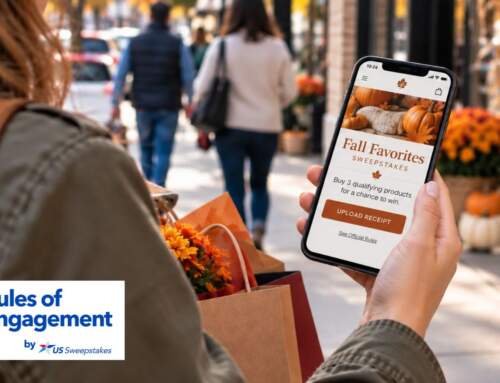
A receipt upload sweepstakes introduces more complexity because entry is tied to proof of purchase. When purchase is associated with entry, the promotion should also include a clearly defined free method of entry that offers a comparable opportunity to enter and win. This format can support purchase-driven campaigns, but it requires more careful structure.
An instant win sweepstakes changes the experience by delivering immediate results. This can increase engagement, but it also requires reliable randomization methods, accurate prize distribution, and clear disclosures about how outcomes are determined.
Multi-entry promotions allow participants to earn additional entries over time or through defined actions. While this can support repeat engagement, it requires clearly defined limits and consistent rule application so that all participants have a comparable opportunity to enter and win.
Social media sweepstakes rely on platform-based actions such as following or commenting. These campaigns can expand reach quickly, but they should follow platform-specific promotion guidelines, while still maintaining clear rules, consistent messaging, and alignment between what is promoted and how the sweepstakes actually operates.
 Examples of How These Promotions Are Structured
Looking at promotion examples helps clarify how structure, participation, and compliance work together.
A simple entry sweepstakes might ask users to complete a short form for a chance to win a prize. The process is direct, and the campaign benefits from low friction and clear entry conditions.
A receipt upload promotion might invite participants to upload proof of purchase while also providing a free entry option. This supports sales objectives while maintaining compliance through equal access.
A social media sweepstakes might ask users to engage with a post while directing them to full rules hosted externally. This expands reach, but only works effectively when the campaign remains consistent across channels.
Each example shows that how a sweepstakes is structured determines how smoothly it runs and how participants respond.
How to Run a Compliant Sweepstakes
Running a sweepstakes requires aligning execution with compliance at every stage.
The first step is defining the objective. Whether the goal is participation, data collection, or purchase behavior, that objective should guide how the promotion is structured.
Next, choose the right sweepstakes type. Different formats affect both participation and compliance, so the format should match the campaign goal and the level of complexity you can manage.
Entry methods must then be structured carefully. When running a sweepstakes, all entry paths – including any free method of entry – should provide a comparable opportunity to enter and win, and be applied consistently across participants.
Official rules should be developed to reflect the actual campaign. These rules must clearly define eligibility, entry methods, prize details, and how winners will be selected. They should match how the promotion is presented across all channels.
Once the sweepstakes is live, promotional messaging must remain aligned with the rules. Winner selection and prize fulfillment should follow the defined process to ensure consistency and fairness.
Running a sweepstakes successfully depends on maintaining alignment between structure, rules, and execution from start to finish.
Common Compliance Mistakes
Sweepstakes issues often arise from small inconsistencies that develop during planning or execution.
A promotion may mention a free entry path but fail to make it visible enough. Rule language may differ across landing pages, social posts, and promotional assets. Prize descriptions may be unclear or incomplete once the campaign is live.
Another common issue is introducing unnecessary friction. Entry methods that become confusing or inconsistent can affect both participation and compliance. Launching a promotion before rules and disclosures are finalized can also create avoidable problems.
These mistakes are preventable when compliance is built into the campaign structure from the beginning.
How Compliance Impacts Participation and Performance
Compliance plays a direct role in how a sweepstakes performs.
Clear entry methods reduce hesitation and improve participation. Transparent rules build trust and make the campaign easier to understand. A well-structured sweepstakes creates a smoother experience for participants and a more reliable process for the brand.
When compliance is considered early, campaigns are easier to scale and less likely to encounter disruptions. Execution improves because the structure is clear from the start.
Running Sweepstakes at Scale
As sweepstakes expand across channels and regions, maintaining consistency becomes more challenging.
A campaign that works well in one channel must be reflected accurately across others. Entry methods, rules, and disclosures must remain aligned everywhere the promotion appears. Managing this consistency becomes more complex as campaigns grow.
At scale, the challenge is not just defining rules, but ensuring the entire promotion operates consistently across all touchpoints. This requires structured planning and careful execution.
In many cases, brands work with a sweepstakes administration company to manage these complexities. This can help ensure that entry methods are applied consistently, rules are reflected accurately across channels, and winner selection and fulfillment are handled according to the defined process.
For a deeper look at how brands evaluate and structure this support, see our article on outsourcing sweepstakes administration and reporting.
Structure Determines Outcome
Sweepstakes do not succeed because of the prize alone. They succeed when the structure behind the promotion is clear, consistent, and built to support participation from the start.
Entry methods, rules, and format decisions are not isolated choices. They shape how participants experience the promotion, how reliably it can be executed, and how confidently it can scale across channels and regions. When those elements are aligned early, campaigns run more smoothly and avoid the issues that tend to surface during launch or fulfillment.
Running a sweepstakes is not just about generating entries. It is about building a promotion that holds up under real conditions, where every step – from entry to winner selection – operates as intended.
US Sweepstakes & Fulfillment provides end-to-end sweepstakes management, supporting brands with campaign planning, compliance, administration, winner verification, and prize fulfillment.
If you are planning a sweepstakes, structuring the promotion correctly from the start is what determines how it performs in practice.