 Updated October 2026
Prize, chance and consideration are the three elements used to distinguish a sweepstakes from a lottery. For marketers, understanding these elements helps determine how consumers can enter a promotion and how winners should be selected.
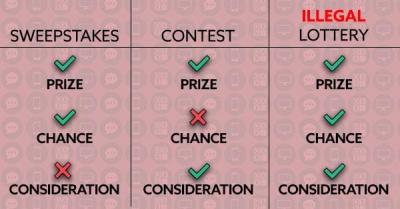
A sweepstakes awards prizes based on chance while eliminating consideration. A skill contest awards prizes based on judging criteria rather than chance. When all three elements are present, a promotion can constitute an illegal lottery unless specifically authorized by law.
Consideration often requires the closest review. A required purchase or entry fee is an obvious concern, but certain non-monetary entry requirements can also raise questions under state law.
Understanding Prize, Chance, and Consideration
Each element describes a different part of the promotion: what participants can win, how winners are determined and what participants must provide to enter.
Prize
Something of value awarded to a winner, such as cash, merchandise, a gift card, a trip or an experience. A prize does not need to be expensive to satisfy this element.
Chance
Chance exists when luck determines or materially affects who wins, such as through a random drawing or an instant win game. Requiring a photo or other submission does not remove chance if the winner is still selected randomly. Legal tests for distinguishing chance from skill vary by state.
Consideration
Something of value participants must provide to enter, such as a required purchase, entry fee or payment. Depending on applicable state law, substantial time or effort may also raise consideration concerns.
How Prize, Chance, and Consideration Determine Promotion Type
A sweepstakes includes prize and chance but eliminates consideration through a properly structured free entry method. If entry is connected to a purchase, an appropriate no-purchase Alternate Method of Entry (AMOE) can address the consideration associated with that purchase.
A skill contest awards a prize based on skill or merit rather than chance. The official rules should explain the judging criteria and how entries will be evaluated. Entry fees and purchase requirements need separate legal review; removing chance does not automatically make a paid-entry contest lawful in every state.
When prize, chance and consideration are all present, a promotion can constitute an illegal lottery unless specifically authorized by law.
For the broader requirements involved in planning and administering a promotion, read our compliance guide How to Run a Legal Sweepstakes.
Understanding Monetary vs. Non-Monetary Consideration in Sweepstakes
Consideration is easiest to recognize when entry requires money. Non-monetary requirements need a more specific review of the promotion and the laws where it is offered.
Monetary Consideration
Monetary consideration can include requiring participants to purchase a product, pay an entry fee or subscribe to a paid service to enter. Additional entries tied to spending also need review so that consumers have an appropriate way to obtain those entry opportunities without purchasing.
For example, requiring a purchase receipt as the only way to enter a random drawing for a prize introduces purchase-related consideration. A purchase-linked sweepstakes can use receipt validation, but it must also provide a properly structured Alternate Method of Entry (AMOE) so consumers can enter without purchasing.
Non-Monetary Consideration
Depending on state law, substantial time or effort required to enter may raise consideration concerns. A lengthy mandatory survey or an extensive content submission required for a random drawing warrants review. These activities are not automatically consideration in every state; their treatment depends on the applicable law and the specific requirements.
How State Laws Define Sweepstakes Consideration Differently
State laws and court interpretations can differ in how they treat consideration, particularly non-monetary activities. An entry requirement that is permitted in one state should not automatically be assumed acceptable nationwide.
For a national sweepstakes, review the entry requirements under the laws applicable wherever the promotion is offered and participants are eligible to enter. This is especially important when participation involves substantial effort, purchase activity or multiple ways to earn entries.
What Is an AMOE (Alternate Method of Entry) in Sweepstakes?
An Alternate Method of Entry (AMOE) provides another way to enter a promotion. In a purchase-linked sweepstakes, a properly structured AMOE allows consumers to enter without making a purchase or payment. Common methods include mail-in entries or a no-purchase online form.
The free entry method must be clearly disclosed. Consumers entering without a purchase must have access to equivalent entry opportunities and the same prizes, and their entries must receive the same treatment in winner selection. Purchasing cannot improve an entrant’s chances of winning. Entry limits, deadlines and processing must support these requirements.
Adding “No Purchase Necessary” to advertising does not replace a functioning free entry method or establish complete compliance. If a sweepstakes is free to enter and does not require other prohibited consideration, a separate AMOE is not necessary.
For more detail, read our No Purchase Necessary Sweepstakes Compliance Guide.
Frequently Asked Questions
What is consideration in a sweepstakes?
Consideration is a purchase, payment or other legally recognized value required to participate in a promotion. Depending on applicable state law, substantial required time or effort may also qualify. A lawful promotional sweepstakes must eliminate prohibited consideration. If entry is linked to a purchase, a properly structured, no-purchase Alternate Method of Entry (AMOE) is required.
What is the difference between a sweepstakes, a contest and a lottery?
A sweepstakes awards prizes by chance without requiring consideration. A skill contest selects winners based on skill or merit under stated judging criteria. A lottery combines prize, chance and consideration and is generally unlawful unless specifically authorized. Entry fees and purchase requirements for skill contests require separate review under applicable state law.
Why do sweepstakes say “No Purchase Necessary”?
“No Purchase Necessary” tells consumers they can enter and win without buying anything. A required purchase introduces consideration, which, combined with prize and chance, can create an illegal lottery. Purchase-linked sweepstakes must provide a genuine no-purchase Alternate Method of Entry (AMOE), and purchasing cannot improve an entrant’s chances of winning.
Review Sweepstakes Entry Requirements Before Launch
Prize, chance and consideration should be reviewed while the promotion is being developed. A required receipt, paid membership or additional entry task can affect the legal structure and may require changes to the entry process.
US Sweepstakes provides legal and administration services to help brands structure and execute digital promotions, from entry requirements and official rules through winner verification and prize fulfillment.
Ready to get your next promotion up and running? Have follow-up questions regarding prize, chance, and consideration? US Sweepstakes will help you from the development phase of your promotion through prize fulfillment, and everything in between. Click here to contact us today and benefit from our years of experience in the promotions industry.