Updated October 2026

A chance to win can get someone to notice a new product, visit your website or share information they might otherwise keep to themselves. Sweepstakes marketing gives brands a way to turn that interest into participation, with a purpose behind every entry.
That purpose might be growing an email audience, supporting purchase activity or rewarding existing customers. The prize gets attention, but the decisions behind the promotion determine what your business gains. Here are eight reasons to run a sweepstakes and how to put each benefit to work.
How Sweepstakes Marketing Attracts New Customers and Grows Your Email List
A sweepstakes can introduce your business to potential customers and give them an opportunity to stay connected after the promotion ends.
The entry form can include a separate, optional email subscription choice, with clear information about what subscribers will receive. That creates a path from initial participation to ongoing communication through product announcements, offers and useful content.
For example, a cereal brand could promote a sweepstakes through its packaging, social channels and retailer partners. On the entry form, consumers could choose to subscribe to emails featuring recipes, coupons and new products. The promotion attracts attention, while the subscription gives interested consumers a way to hear from the brand again.
And prize selection matters too. A prize connected to your product or your customers’ interests can help attract a relevant audience. An unrelated prize may generate entries without giving participants much reason to remain interested in your business.
Collect First-Party Data and Customer Insights
One of the advantages of sweepstakes marketing is the opportunity to learn more about the people who participate, including their interests, product preferences and shopping activity.
An entry form might include a relevant question about which product category interests someone or where they usually shop. In a receipt-validation promotion, qualifying receipts can provide information about participating purchases, such as products purchased and retailer locations.
That information can help you segment an audience, tailor future communications and plan subsequent promotions. A food brand, for example, could use participants’ stated recipe interests to make its follow-up content more relevant.
Plan data collection around a defined use. Ask for information your team can act on, keep the entry process manageable and clearly explain how information will be used. Marketing permissions and privacy requirements should be addressed before launch.
Connecting first-party data with your CRM helps make promotion participation useful to your ongoing customer marketing.
Drive Website Traffic With a Sweepstakes
A sweepstakes can give consumers a reason to visit your website through links in advertising, email, social posts, packaging or retail materials.
The entry experience can also introduce visitors to relevant information about your business. A product promotion might include a retailer locator, while a travel brand could place destination information alongside the entry form.
Keep that experience focused. Visitors should understand the offer and how to enter without navigating through unrelated pages or completing unnecessary steps. After entry, a confirmation page can offer a useful next step, such as viewing a product collection or finding a nearby store.
The campaign’s distribution is essential. Build a plan for reaching your intended audience rather than relying on the prize alone to bring people to the site.
Promote New Products and Encourage Trial
A sweepstakes gives a product launch an additional reason to be noticed. The product can shape the prize, creative and entry experience, keeping the launch message visible throughout the campaign.
A television network launching a series could feature the trailer on its sweepstakes page and offer a trip to meet the cast. The show becomes part of the prize experience, giving potential viewers a reason to pay attention before the premiere.
For consumer products, a separate sample or coupon offer can accompany the sweepstakes to help move that initial interest toward trial.
A sweepstakes can also give an existing product a fresh marketing occasion. Seasonal recipes, new retail distribution or a brand partnership can provide a timely reason to put the product in front of consumers.
Coordinate the promotion with the channels supporting the launch. Packaging, retailer displays, paid media, email and social content can carry a consistent offer and direct consumers to the entry experience.
Encourage Purchase Activity and Support Retail Partners
Sweepstakes marketing can support sales by adding a promotional incentive to a product or shopping occasion.
On-pack messaging can draw attention at the shelf. Receipt validation can connect an entry process with qualifying purchase activity. A retailer-specific campaign can feature participating products and direct consumers to the stores carrying them.
For a retail partner, the promotion provides an offer to feature in its own marketing. Retailer-specific creative and clear information about qualifying products help connect the brand’s campaign with the shopping experience.
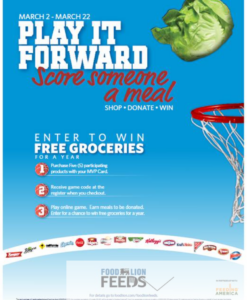
Food Lion: Connecting Shopping With an Interactive Promotion
Food Lion’s “Make Every Basket Count” Sweepstakes connected qualifying purchases with an online basketball game and a chance to win groceries. Receipt codes linked the shopping experience to the digital promotion, while a donation component supported Food Lion Feeds’ hunger-relief efforts. A no purchase necessary entry method was also available.
The campaign gave participating products a shared promotional message, added an interactive experience and connected purchase activity with a cause supported by the retailer.
Purchase-linked sweepstakes require a properly structured free alternate method of entry, or AMOE. Consumers must be able to enter and win without purchasing, and a purchase cannot improve their chances of winning. Review the no purchase necessary requirements while developing the promotion.
Build User-Generated Content (UGC) Through Sweepstakes
Your customers could be in your next campaign. A user-generated content (UGC) sweepstakes gives them a chance to show off their best recipe, favorite outfit or weekend project while entering to win a prize. Your brand gets to show what people do with its products when they make them their own.
A clothing retailer could invite shoppers to submit photos showing how they wear its denim collection. An approved gallery would show the clothes on customers with different styles and in everyday settings, giving other shoppers ideas for wearing the collection themselves. With appropriate permissions, the retailer could feature selected photos in social posts, emails or future campaigns.
Be specific about what people should submit and how much effort participation requires. Plan moderation and obtain appropriate permissions for any intended reuse.
Reward Customers and Support Loyalty Participation
Sweepstakes can give existing customers an additional benefit and create an occasion to reconnect with your brand.
A customer appreciation promotion could offer a chance to win an experience related to the brand. Within an established loyalty program, a sweepstakes could draw attention to member benefits or give members a reason to return to the program’s website or app.
For example, a retailer introducing new loyalty benefits could feature a sweepstakes in its member communications. The promotion provides a timely incentive to visit, while the updated benefits give members something useful to learn about.
Supporting customer loyalty requires an experience that reflects well on the business. Relevant prizes, clear communication and reliable prize fulfillment contribute to how customers experience the brand.
Membership conditions, entry methods and any use of loyalty points need review when structuring the promotion.
Increase Social Engagement and Repeat Participation
Your Instagram and Facebook followers already have a place to hear your announcements. A social media sweepstakes gives them something to take part in, whether that means submitting a photo, answering a question or visiting your promotion page to enter.
That participation gives your team more to talk about as the campaign progresses. You can feature approved submissions, share prize details and keep the deadline visible. A sweepstakes tied to a sports season could also connect updates with key games, making the promotion part of an occasion your audience is already following.
The promotion’s structure can also encourage return visits. Where permitted and clearly described in the official rules, recurring entry opportunities or scheduled drawings can support participation throughout the entry period. Instant win games can offer an immediate result and another reason to participate.
Keep social participation aligned with the platform’s current promotion requirements. Plan how you will reach your audience throughout the campaign, since following a brand does not guarantee someone will see its posts.
How to Measure Sweepstakes Marketing Results
Decide what success looks like before choosing the prize or entry format. That decision should guide both the campaign design and the information you need to evaluate it.
For email list growth, measure new optional subscriptions and how those subscribers respond to subsequent emails. If customer insights are the priority, assess whether the information collected supports the segmentation or campaign planning you intended. A product launch might focus on product-page visits, retailer-locator activity and sample or coupon redemption.
Purchase-related campaigns need a distinction between documented activity and sales impact. Validated receipts show participating purchases; determining whether the promotion increased sales requires an appropriate comparison.
For loyalty and engagement objectives, look at member participation, returning visitors and subsequent customer activity. Repeat entries demonstrate participation, while continued purchases or email engagement can provide more evidence of an ongoing relationship.
Total entries remain an important measure, but they need context. A simple-entry sweepstakes designed to reach a large audience should be evaluated differently from a promotion asking customers to create and submit original content.
Turn Sweepstakes Entries Into Marketing Opportunities
A sweepstakes can help you reach new customers, support purchase activity or reward the audience you already have. Making that happen takes coordinated planning, promotion development and administration from launch through prize fulfillment.
US Sweepstakes works with brands to develop and manage sweepstakes that support their marketing goals. We bring the promotion to life through custom development and handle the legal and administrative responsibilities through winner selection and prize fulfillment. Whether you need full-service management or support for a specific phase, our experienced team is ready to help.
Contact US Sweepstakes to discuss your next promotion.