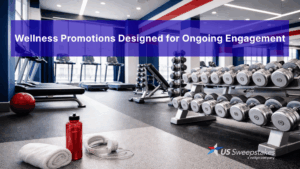
 Wellness promotions see a predictable surge every January. Participation is high, sign-ups are strong, and early engagement metrics look promising. What many brands discover by February is that interest in wellness hasn’t disappeared – participation has simply become more selective.
The difference between promotions that fade and those that continue often comes down to engagement format design. Wellness promotions built around one-time interactions tend to peak early. Promotions designed for repeat participation are more likely to maintain momentum as audiences settle into everyday routines.
For brands planning wellness promotions, understanding how engagement behavior shifts after January is critical to building campaigns that last.
How Wellness Engagement Behavior Changes After the New Year
January engagement is driven largely by experimentation. Audiences are open to trying new routines, exploring new tools, and participating in experiences they may not yet be committed to long term.
By February, engagement decisions become more intentional. Participants gravitate toward wellness promotions that:
- Feel easy to return to
- Fit naturally into daily schedules
- Do not penalize missed participation
- Deliver value without increasing effort
Wellness engagement formats that require rigid timelines or high commitment often struggle during this transition. Formats designed with flexibility and repeat touchpoints are better aligned with post-January behavior. According to McKinsey’s Future of Wellness research, consumers increasingly integrate health and well-being into everyday routines rather than treating wellness as a short-term reset.
Wellness Engagement Formats That Support Repeat Participation
Certain engagement formats consistently perform better as wellness promotions move beyond the New Year surge.
Flexible Wellness Challenges
Challenges centered on simple, repeatable actions tend to sustain participation longer than those built around strict goals or deadlines.
When progress is tracked through lightweight check-ins or milestones, participants can remain engaged even if motivation fluctuates. This structure supports consistency without creating pressure, making challenges more adaptable to real-world routines.
Quizzes and Short Interactive Experiences
Quizzes and short-form interactive prompts tied to wellness habits, awareness, or routines provide low-friction engagement that works across multiple touchpoints.
These formats are effective because they:
- Require minimal time investment
- Encourage repeat interaction when refreshed
- Generate insight into participant preferences and behavior
As New Year enthusiasm levels out, quizzes remain a reliable way to keep wellness engagement active.
User-Generated Content Built Around Everyday Wellness
UGC-based wellness promotions perform well when participation is open-ended rather than prescriptive. Prompts that invite participants to share routines, habits, or small wins allow engagement to scale naturally.
This flexibility helps sustain participation because audiences can engage on their own terms without feeling behind or out of sync with the promotion.

Instant-Win Promotions With Predictable Entry Cadence
Instant-win promotions can support ongoing wellness engagement when entry opportunities are clearly structured.
Daily or weekly entry windows create predictable reasons to return without increasing effort. This cadence keeps participation lightweight while still providing consistent touchpoints over time.
Wellness Promotion Operations for Ongoing Engagement
Effective wellness promotions rely on more than creative design. Clear operational structure plays a central role in supporting consistent participation and long-term engagement.
Promotions built for repeat interaction require:
- Clearly defined entry mechanics that are easy to understand and consistently applied
- Participation limits and eligibility criteria that are communicated upfront
- Incentive and fulfillment processes that support ongoing engagement at scale
- Rules and disclosures that accurately reflect how the promotion operates in practice
When operational fundamentals are aligned with how people actually participate, wellness promotions are better positioned to deliver ongoing engagement without confusion, friction, or administrative strain.
Designing Wellness Promotions That Adapt to Real Participation Patterns
Wellness engagement is most effective when promotions align with real participation patterns rather than idealized behavior.
Formats that allow participants to step away and return without friction tend to remain relevant longer. Designing for adaptability reduces drop-off and extends engagement life without requiring constant reinvention.
Building Wellness Engagement That Lasts Beyond January
Wellness interest does not end after January – but engagement expectations change. Promotions that rely on early enthusiasm alone are unlikely to sustain participation into February and beyond.
By choosing wellness engagement formats designed for repeat interaction, brands can build promotions that align with real behavior, generate stronger engagement signals, and deliver lasting value.
US Sweepstakes helps brands plan and manage promotional engagement formats built to support sustained participation – turning early-year wellness initiatives into programs that continue performing well beyond the New Year.
Contact US Sweepstakes and let’s turn January momentum into ongoing engagement.